“I can hear… but not clearly.”
This is becoming one of the most common complaints among young adults today.
For years, hearing loss was considered an age-related problem. Something associated with older adults, long-term illness, or occupational noise exposure. But that reality is changing rapidly.
ENT specialists are now seeing increasing numbers of people in their 20s and 30s struggling with:
- Difficulty understanding conversations
- Ringing in the ears
- Sound sensitivity
- Ear pressure
- Reduced hearing clarity
What’s alarming is that many of these individuals don’t realize their daily habits may already be damaging their hearing.
From endless headphone usage and work calls to gaming, binge-watching, and exposure to urban noise pollution, modern lifestyles are putting constant stress on the ears — often without noticeable symptoms in the beginning.
Hearing Loss Today Doesn’t Always Start With “Not Hearing”
One of the biggest misconceptions about hearing damage is that people expect complete hearing loss as the first symptom.
In reality, early hearing-related problems usually begin subtly.
Many patients say things like:
- “People sound unclear.”
- “I keep asking others to repeat.”
- “I hear better in quiet places.”
- “TV volume feels low.”
- “There’s a slight ringing sometimes.”
Because symptoms develop gradually, they’re often ignored for months or even years.
The Everyday Habits Quietly Affecting Ear Health
Modern hearing problems are increasingly lifestyle-driven.
The Headphone Generation
Most people today spend several hours daily using:
- Earbuds
- Bluetooth devices
- Gaming headsets
- Noise-cancelling headphones
The problem isn’t just usage — it’s continuous exposure.
Many individuals:
- Listen at high volume in noisy environments
- Wear earbuds while sleeping
- Use earphones during workouts
- Attend back-to-back work meetings with headphones on
The ear never truly gets rest.
Noise Pollution Is Higher Than Ever
Urban environments constantly expose us to:
- Traffic noise
- Construction sounds
- Loud events
- Vehicle horns
- High-volume gyms
- Crowded public spaces
Over time, repeated exposure to loud environments can fatigue delicate hearing structures.
Stress and Sleep Deprivation Also Affect Ear Health
Poor sleep and chronic stress may worsen symptoms like:
- Ear ringing (tinnitus)
- Sound sensitivity
- Ear pressure sensation
The connection between stress and hearing discomfort is often underestimated.
Why Young Adults Are Ignoring Early Signs
One major reason is that hearing damage often develops painlessly.
Unlike visible health conditions, hearing-related issues progress silently.
People continue normal routines assuming:
- It’s temporary
- It will improve automatically
- It’s because of tiredness
- Everyone experiences it
By the time symptoms become noticeable, some degree of hearing damage may already exist.
The Science Behind Noise-Induced Hearing Damage
Inside the inner ear are microscopic sensory hair cells responsible for transmitting sound signals to the brain.
These cells are extremely sensitive.
Excessive sound exposure can:
- Weaken these cells
- Reduce hearing sensitivity
- Affect sound clarity
- Trigger ringing sensations
Unlike many body tissues, these sensory cells do not regenerate once permanently damaged.
That’s why prevention becomes extremely important.
It’s Not Just About Volume — Duration Matters Too
Many people believe hearing loss only occurs at extremely loud volumes.
But prolonged moderate-volume exposure can also affect hearing over time.
Listening continuously for several hours daily creates cumulative stress on the auditory system.
This is especially common among:
- Remote employees
- Students
- Gamers
- Content consumers
- Fitness enthusiasts
The Psychological Impact of Hearing Problems
Hearing issues don’t only affect the ears.
People with untreated hearing difficulties may gradually experience:
- Irritability
- Mental fatigue
- Social withdrawal
- Reduced focus
- Anxiety in conversations
- Difficulty participating in groups
Some individuals avoid social situations simply because conversations become exhausting to follow.
Tinnitus: The Warning Sign Many Ignore
Tinnitus refers to hearing sounds like:
- Ringing
- Buzzing
- Humming
- Whistling
without any external source.
Temporary ringing after loud music is common. But persistent tinnitus should never be ignored.
It may indicate:
- Noise-related hearing stress
- Ear damage
- Wax blockage
- Ear infections
- Underlying hearing changes
How ENT Specialists Evaluate Hearing Concerns
Many patients delay consultations because they assume hearing tests are complicated or only needed for severe problems.
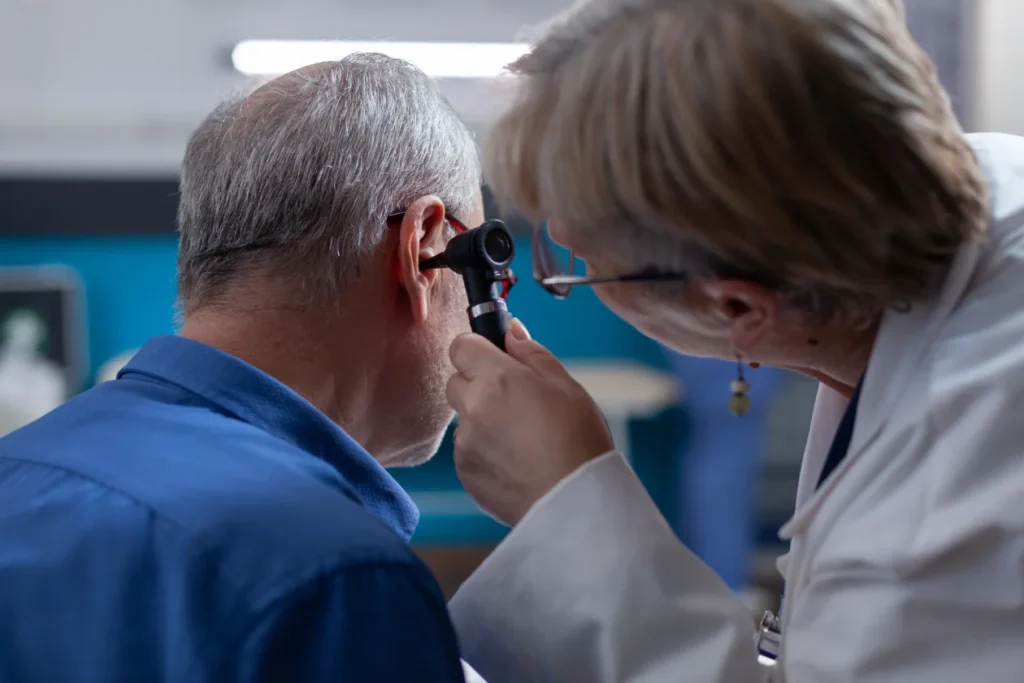
In reality, ENT evaluation is straightforward and helps identify early-stage concerns before they worsen.
Assessment may include:
- Ear examination
- Wax evaluation
- Audiometry (hearing test)
- Tinnitus assessment
- Infection screening
- Middle ear evaluation
Early diagnosis significantly improves long-term hearing management.
Can Hearing Damage Be Reversed?
Temporary hearing fatigue may improve with proper care and reduced sound exposure.
However, permanent sensory hearing damage is usually irreversible.
That is why:
- Early awareness
- Prevention
- Safe listening habits
- Timely ENT consultations
are extremely important.
Simple Changes That Help Protect Hearing
Protecting hearing doesn’t require completely avoiding technology.
Small adjustments can make a major difference.
Give Your Ears Recovery Time
Avoid continuous headphone usage for long durations.
Lower Volume Levels
If nearby people can hear your music, the volume is probably too high.
Avoid Sleeping With Earphones
The ears need uninterrupted recovery time.
Use Headphones Responsibly During Work Calls
Take regular audio breaks between meetings.
Don’t Ignore Ear Symptoms
Ringing, pressure, or muffled hearing should be medically evaluated early.
Prioritize Sleep
Good sleep helps the nervous system recover from sensory fatigue.
A Growing Public Health Concern
Globally, hearing-related concerns among younger populations are increasing.
The World Health Organization has repeatedly highlighted risks associated with unsafe listening practices.
Unfortunately, awareness still remains low.
Most people focus on eye strain from screens but rarely think about how daily audio exposure affects hearing health.
Frequently Asked Questions
Can headphones permanently damage hearing?
Yes. Prolonged exposure to loud audio can gradually damage hearing structures.
Is tinnitus always permanent?
Not always. Temporary tinnitus may improve, but persistent ringing requires medical evaluation.
Are wireless earbuds safer than wired earphones?
Safety depends more on listening volume and duration than device type.
How long is it safe to use headphones daily?
Experts generally recommend moderate listening volume with regular breaks.
Should young adults get hearing tests?
Yes, especially if they experience ringing, reduced clarity, or difficulty understanding conversations.
Final Thoughts
Hearing damage rarely happens overnight. It develops slowly through repeated exposure, unhealthy listening habits, and ignored warning signs.
The good news is that many hearing-related problems are preventable with awareness and timely care.
Your ears work continuously every day — often without appreciation until symptoms begin.
Protecting your hearing now can make a significant difference to your long-term quality of life.
If you notice ringing, reduced hearing clarity, or persistent ear discomfort, seeking evaluation from an ENT specialist can help identify problems early and prevent further damage.
Book Your Appointment Today
If you’re struggling with throat dryness, blocked sinuses, or ear discomfort this October, visit Dr. Anitha Kumar ENT Clinic, one of the best ENT clinics in Bangalore, for expert evaluation and care.
- 📞 Contact: 1) Manipal Hospital Old Airport Road, Bangalore. 080 2502 3278
- 📞 Contact: 2) Manipal Hospital – Whitefield ITPL Main Road, Bangalore. 080 2502 7252
- 📞 Contact: 3) Speciality ENT Clinic Purva Riviera Commercial Complex, Marathahalli. 080 4093 1400
🌐 Website: https://dranithakumarient.com