
ENT OPD Procedures
ENT doctor Old Airport Road Bangalore| Dr. Anitha Kumari A.M
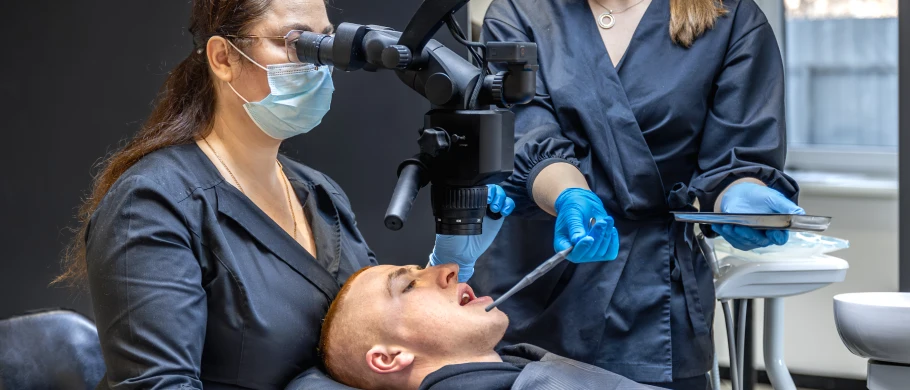
ENT OPD procedures are minor diagnostic and therapeutic interventions that can be safely performed in an outpatient setting without the need for general anaesthesia or hospital admission. These procedures play a vital role in the early diagnosis, prompt management, and follow-up of common ENT conditions, while also offering patients convenience and cost-effectiveness.
These interventions are generally performed under local or topical anaesthesia, often using endoscopes or microscopes for better visualization. They not only help in relieving acute symptoms (e.g., controlling nosebleeds, removing airway obstructions) but also serve as important diagnostic steps in suspected malignancies or chronic ENT diseases.
- Common ENT OPD Procedures
- Ear Procedures –Earwax (cerumen) removal, aural toileting, foreign body removal, myringotomy under local anaesthesia, ear dressings, intratympanic injections, ear lobe repair, and ear piercing.
- Nasal Procedures – Anterior nasal packing for epistaxis, cauterization of bleeding points, foreign body removal and endoscopic nasal examination.
- Throat Procedures– Biopsy of oral cavity or pharyngeal lesions, tonsillar abscess drainage, and flexible laryngoscopy.
- Neck Procedures – Fine-needle aspiration cytology (FNAC) for neck swellings and aspiration of cystic lesions.
Frequently Asked Questions
Learn about common ENT procedures, outpatient treatments, ear and nasal care, and what to expect before and after treatment.
01 Which ENT procedures are commonly performed for ear, nose and throat conditions?
Depending on the diagnosis, ENT procedures may include earwax removal, foreign body removal, nasal procedures, throat-related interventions, and other outpatient treatments. The appropriate procedure is selected after a detailed ENT evaluation.
02 Persistent ear blockage is affecting hearing — can an ENT procedure help?
Ear blockage may result from impacted wax, infection, fluid, or other ear conditions. An ENT specialist can examine the ear and, when appropriate, perform procedures such as safe earwax removal or recommend further treatment.
03 Can minor ENT problems be treated without hospital admission?
Yes. Several suitable conditions can be managed through ENT OPD procedures, allowing selected treatments to be performed on an outpatient basis without requiring hospital admission.
04 What happens if a foreign object gets stuck in the ear, nose, or throat?
Foreign bodies should be removed carefully by an ENT doctor rather than using household objects or force. Depending on its location and the patient's condition, safe foreign body removal may be performed as an outpatient ENT procedure.
05 Are ENT procedures available for children as well?
Yes. Selected Pediatric ENT procedures can be performed when clinically appropriate. The child's age, symptoms, medical history, and ability to cooperate are considered when determining the safest approach.
06 Could nasal blockage require an ENT procedure?
Persistent nasal obstruction may be associated with allergies, sinus problems, a deviated nasal septum, nasal polyps, or other structural conditions. An ENT specialist can identify the underlying cause and determine whether medication, an outpatient procedure, or surgery is appropriate.
07 How is an ENT procedure selected for an individual patient?
The choice of ENT treatment procedure depends on the symptoms, medical history, physical examination, and diagnosis. Additional tests may be recommended when necessary before deciding on the most appropriate treatment.
08 Do ENT procedures always require anesthesia?
No. The need for anesthesia depends on the type and extent of the ENT procedure. Some minor outpatient procedures may require little or no anesthesia, while more extensive procedures may require local or general anesthesia.
09 When might an ENT procedure become necessary instead of medication?
If symptoms persist despite appropriate medical management, or if there is a structural problem that cannot be adequately treated with medication alone, an ENT procedure or surgery may be considered. The recommendation depends on the specific condition and clinical findings.
10 What should I expect after an ENT procedure?
After an ENT procedure, the specialist provides individualized aftercare instructions based on the treatment performed. These may include medication, activity or water precautions, wound or ear care, and a follow-up assessment when required.
- My approach to Surgeries
- Comprehensive Assessment –The initial assessment will involve history detailing, physical examination along with procedures such as anterior rhinoscopy, nasal endoscopy and other investigations such as CT scans, sleep studies etc., if required.
- Clear Indications & Individualized Planning – Plan surgery based on anatomical findings, severity of symptoms, and patient goals. If the assessment is that medical management will suffice, priority will be take such protocol and avoid unnecessary surgery.
- Patient Counselling – I will explain the diagnosis, available options (medical vs surgical), expected outcomes, risks, and limitations to patient and their close relatives/bystanders. This process is to enable a joint decision making and set realistic expectations of the process, expected outcome and recovery timelines. I respect patient autonomy, but guide their decisions with medical judgment.
- Choosing Surgical Technique – I normally choose the least invasive yet effective technique, where possible, maintain physiology as much as possible by avoiding excessive resection and prioritize functional improvement.
- Multidisciplinary Approach–If needed, I involve and collaborate with Pulmonologists, Neurosurgeon, Oncosurgeons, Oculoplastic Surgeons or Plastic Surgeon when conditions are complex or involves their expertise.
- Postoperative Care & Follow-Up–I provide clear instructions on post-surgery protocols the patients should follow. Post operative recovery is monitored regularly and patient is advised any change in protocol.

- Comprehensive Care for Children’s ENT Needs
- Airway Evaluation & Surgery – For children with breathing difficulties, noisy breathing, or airway narrowing.
- Adeno-tonsillectomy Surgery – Removal of enlarged adenoids and tonsils causing sleep issues, snoring, or recurrent throat infections
- Myringotomy & Grommet Insertion – Helps children with recurrent ear infections or fluid in the middle ear affecting hearing
- Congenital Neck Swellings – Treatment of thyroglossal cysts (Sistrunk procedure) and branchial sinus/cyst excision
- Hearing & Speech Problems – Early detection and treatment of hearing loss to aid normal speech development
- Why Choose Our Paediatric ENT Services?
- Child-Friendly Approach – Gentle and reassuring care for children
- Advanced Technology – Microscopes, endoscopes, and minimally invasive techniques.
- Experienced Specialist – 30+ years in ENT with expertise in paediatric cases.
- Collaborative Care – Working closely with paediatricians, speech therapists, and anaesthesiologists.
- Safe & Effective Treatments – Ensuring quick recovery and long-term benefits.